A fixed price is only fixed if the contract has no allowances, provisional sums or prime costs in it. Those are all guesses, and guesses go up after you sign. The words at the top of the contract mean nothing. The words inside it mean everything.
Those three terms are worth knowing before you sign anything, with any builder. An allowance is a guessed price for something you have not chosen yet, like a kitchen or flooring. A provisional sum is a guessed price for work the builder has not fully worked out, usually site works like excavation or retaining. A prime cost is a set amount for a product you will pick later, like taps or appliances. Each one looks like a firm number sitting inside a fixed price contract. Each one is actually a placeholder, and the risk of the real number coming in higher sits entirely with you.
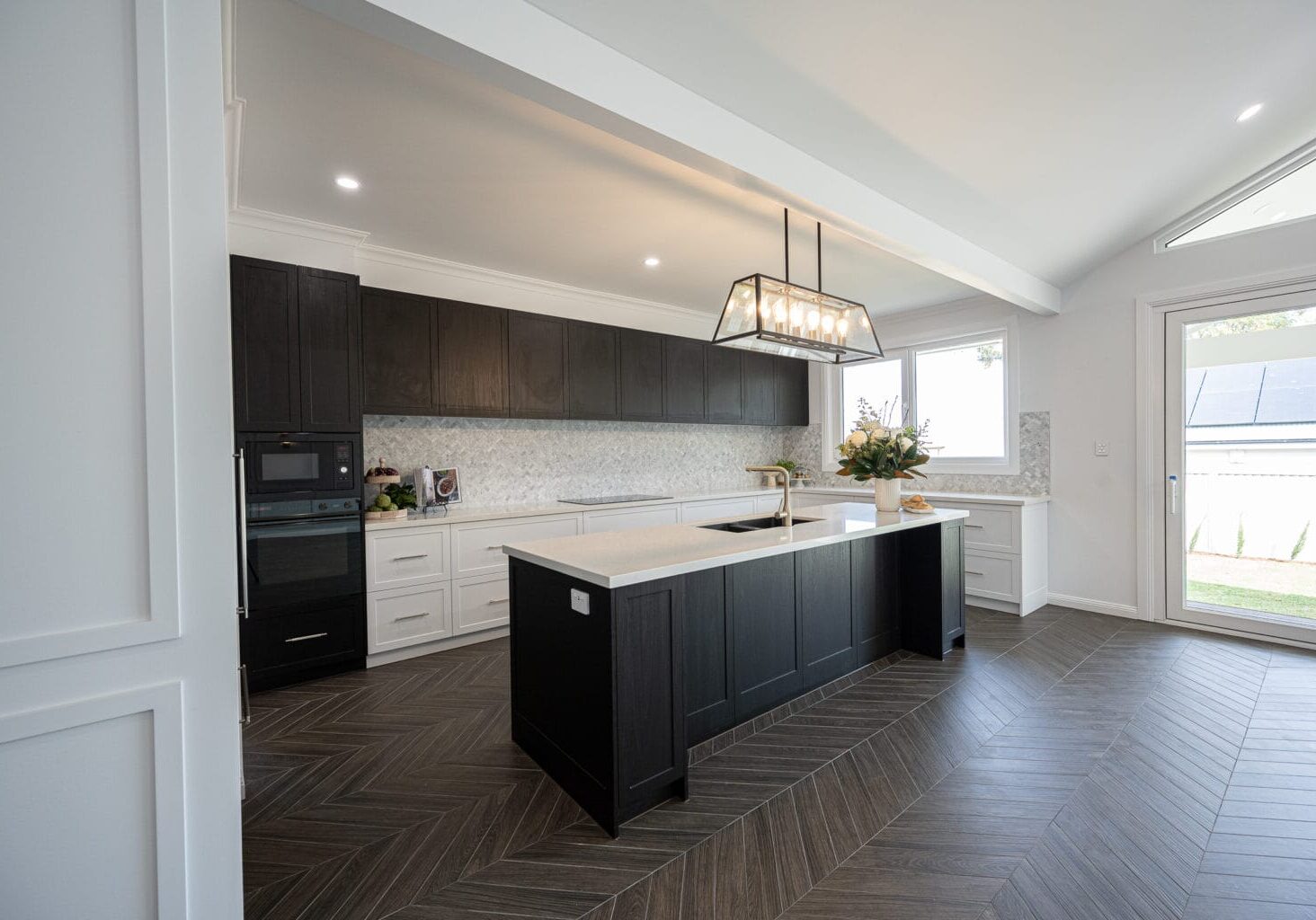
Here is the classic, and we have heard versions of it from clients more times than we can count. The contract allows $20,000 for your kitchen. You sign, feeling good about the total. Months later you sit down to choose your actual kitchen, with the benchtop, the appliances and the finishes you actually want, and it comes to $50,000. You owe the difference. Nobody lied to you. Nobody breached the contract. The allowance did exactly what allowances do. And because you are already committed, already emotionally invested and already months down the track, saying no is no longer a real option. That is how a fixed price grows by tens of thousands of dollars without a single dishonest act.
The uncomfortable truth is that a contract full of allowances is not a fixed price at all. It is an estimate wearing a nicer name, and the gap between the estimate and reality gets paid by you, at the point in the process where you have the least power to push back.
We avoid this by doing the work in the opposite order. In our Preliminary Building Agreement (PBA) stage, before you sign a build contract, we lock in all your selections and get real prices from our actual suppliers. Not industry averages, not last year’s rates, not a number that sounds about right. Your kitchen, priced by our kitchen company. Your electrical plan, priced by our electrician. Your site costs, priced from a contour survey and soil test done on your block. It takes longer and it costs money up front, but it means that when we hand you a fixed price, it is built out of real quotes rather than guesses. After that, the only thing that changes your number is you changing your mind on something, and if you do, you will see the cost of that change in writing before you decide.
So here is the test to run on any builder, including us. Ask them to point to every allowance, provisional sum and prime cost in their contract, and then ask one follow up question: if the real cost of any of these comes in higher, who pays, me or you? The answer tells you everything. A builder who has done the work up front can answer in seconds, because there is nothing to hide and usually nothing to point to. A builder who gets vague, defensive or reassuring without being specific is telling you exactly where your budget is going to leak.
Our full guide, What “Fixed Price” Really Means, walks you through this line by line, including the five questions to ask before you sign with anyone. Read it before you sign anything. And if you already have a contract in front of you and you want a second set of eyes across it, call Toby on 0483 943 309. We will point out any allowances hiding in it, whether or not you ever build with us.
For an independent overview before you sign, NSW Fair Trading sets out what a home building contract should include.
Frequently Asked Questions
What is the difference between an allowance, a provisional sum and a prime cost?
An allowance is a guessed price for something you have not chosen yet, like a kitchen or flooring. A provisional sum is a guessed price for work the builder has not fully worked out, usually site works like excavation or retaining. A prime cost is a set amount for a product you will pick later, like taps or appliances. Each looks firm but is really a placeholder, and the risk of the real number coming in higher sits with you.
How can an allowance make a fixed price rise after I sign?
If the contract allows $20,000 for your kitchen and the kitchen you actually want comes to $50,000, you owe the difference. Nobody lied and nobody breached the contract. The allowance did exactly what allowances do, and because you are already committed and months down the track, saying no is no longer a real option. That is how a fixed price grows by tens of thousands without a single dishonest act.
How do I test whether a builder’s fixed price is genuinely fixed?
Ask them to point to every allowance, provisional sum and prime cost in the contract, then ask one follow-up: if the real cost of any of these comes in higher, who pays, me or you? A builder who did the work up front can answer in seconds because there is nothing to hide. A builder who gets vague or reassuring without being specific is telling you where your budget will leak.